
Please open it on a laptop, desktop, or wider display so the slides and visuals are easy to read.
Gallery links, line items, packing dates, and some customer/payment follow-up still rely on the single, manual Podio interface.
With over 1,000 events per year, every dropped handoff creates real customer, logistics, or revenue risk.
The current system contains data and fields that no longer reflect how the business should operate going forward.
The best path is to map the work from first principles, keep what already works, and remove the friction that only exists because of old tools.
"We want a tool we're happy with and don't have to redo in two years."
Johannes, intro callWe shape the product with the people who will use it, then turn the validated workflow into a production system.
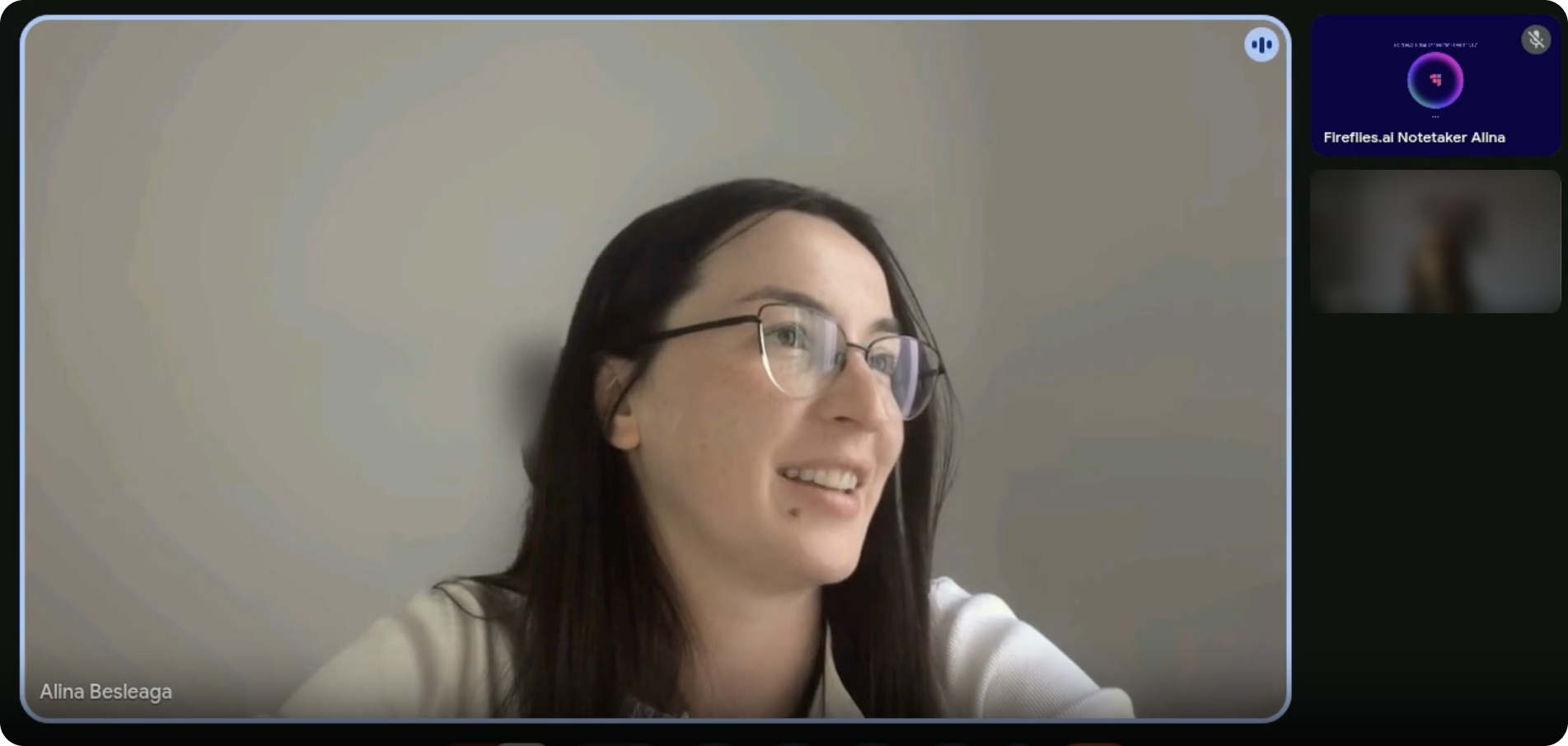
Alina speaks with the key team members to understand how sales, operations, packing, logistics, and management really work day to day.
We turn the mapped workflow into a clickable, working prototype so the team can react to something concrete.
The team reviews the prototype together, spots cross-functional issues, and aligns before production development starts.
Fotobaren's workflow is too specific for another boxed-in tool. The system should be built around how the team actually works.
A custom web app for the team to run bookings, events, inventory, packing, delivery, and follow-up.
A proper database that becomes the source of truth for customers, orders, units, payments, and event status.
Direct integrations with the website, accounting, shipping, gallery software, and email/SMS where useful.
Standard hosting and services so the system is portable, maintainable, and not locked inside Retool, Glide, or another no-code platform.
We are currently helping a business migrate from Retool to full code because they need more flexibility and are overpaying for Retool seats.
How closely the software can match Fotobaren's actual operations.
Fast for standard admin panels, but harder when the workflow becomes highly specific.
Designed around the exact sales, logistics, packing, delivery, inventory, and customer lifecycle.
Ability to evolve without platform constraints.
Often tied to platform pricing, plugin limits, vendor patterns, and agency-specific infrastructure.
Portable codebase, standard infrastructure, easier future handover, and fewer proprietary constraints.
How well the system can use modern AI development and automation.
Useful for quick apps, but can become awkward when adding custom logic or advanced automation.
AI speeds up prototyping, iteration, maintenance, and selective workflow automation directly in the codebase.
We map the workflows with the people who actually use the system: sales, operations, packing, logistics, and management.
Within roughly two to three weeks, the team can test a working prototype against real event scenarios and edge cases.
Once the workflow is validated, we develop the production application with integrations, permissions, data migration, and deployment.
If you need to rebuild this in two years, we have not done our job correctly.
Once development starts, communication should not disappear into a black box. You get regular release updates and live visibility.
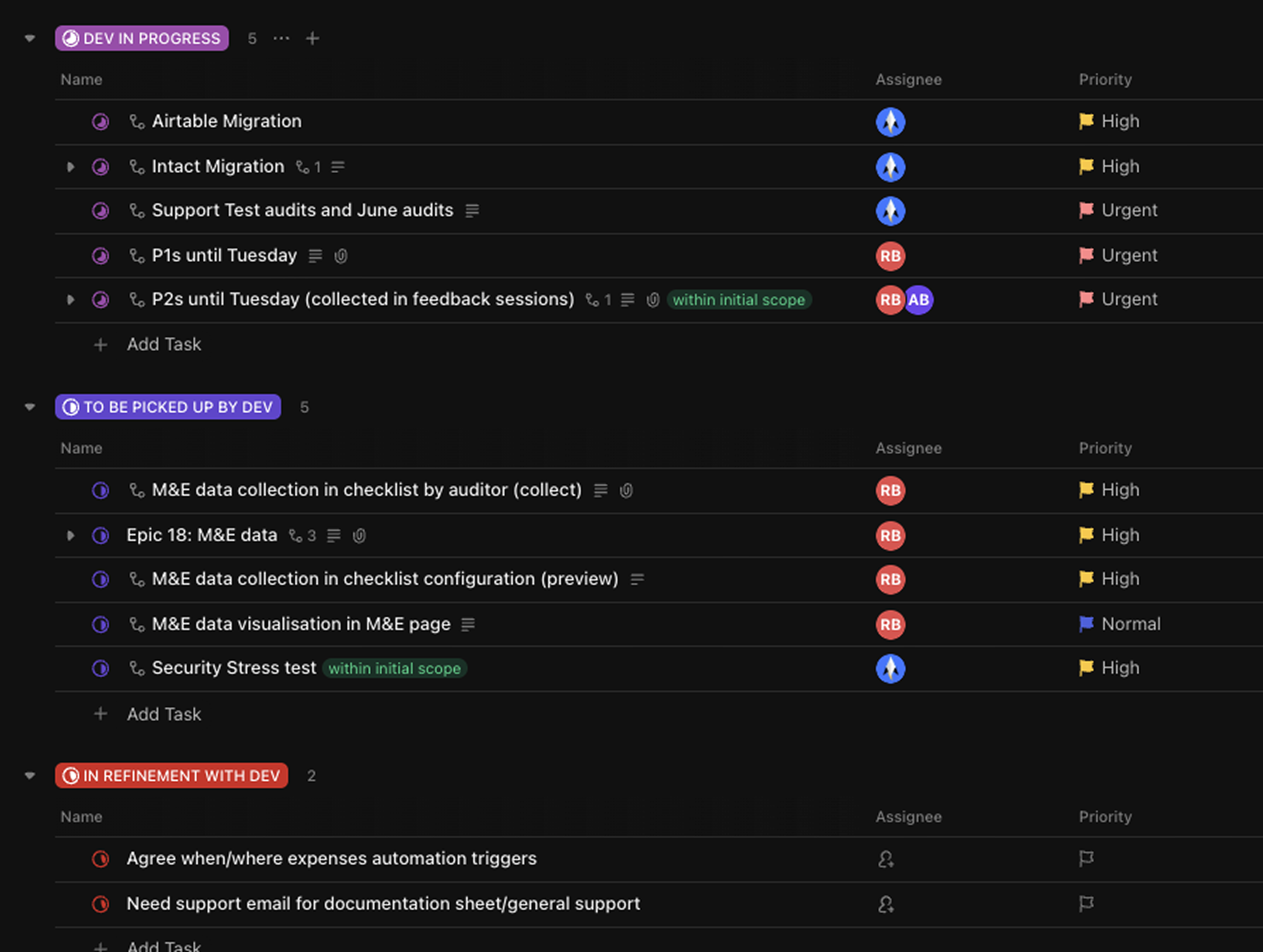
Access to the development board, so you can see what is being worked on at any point.
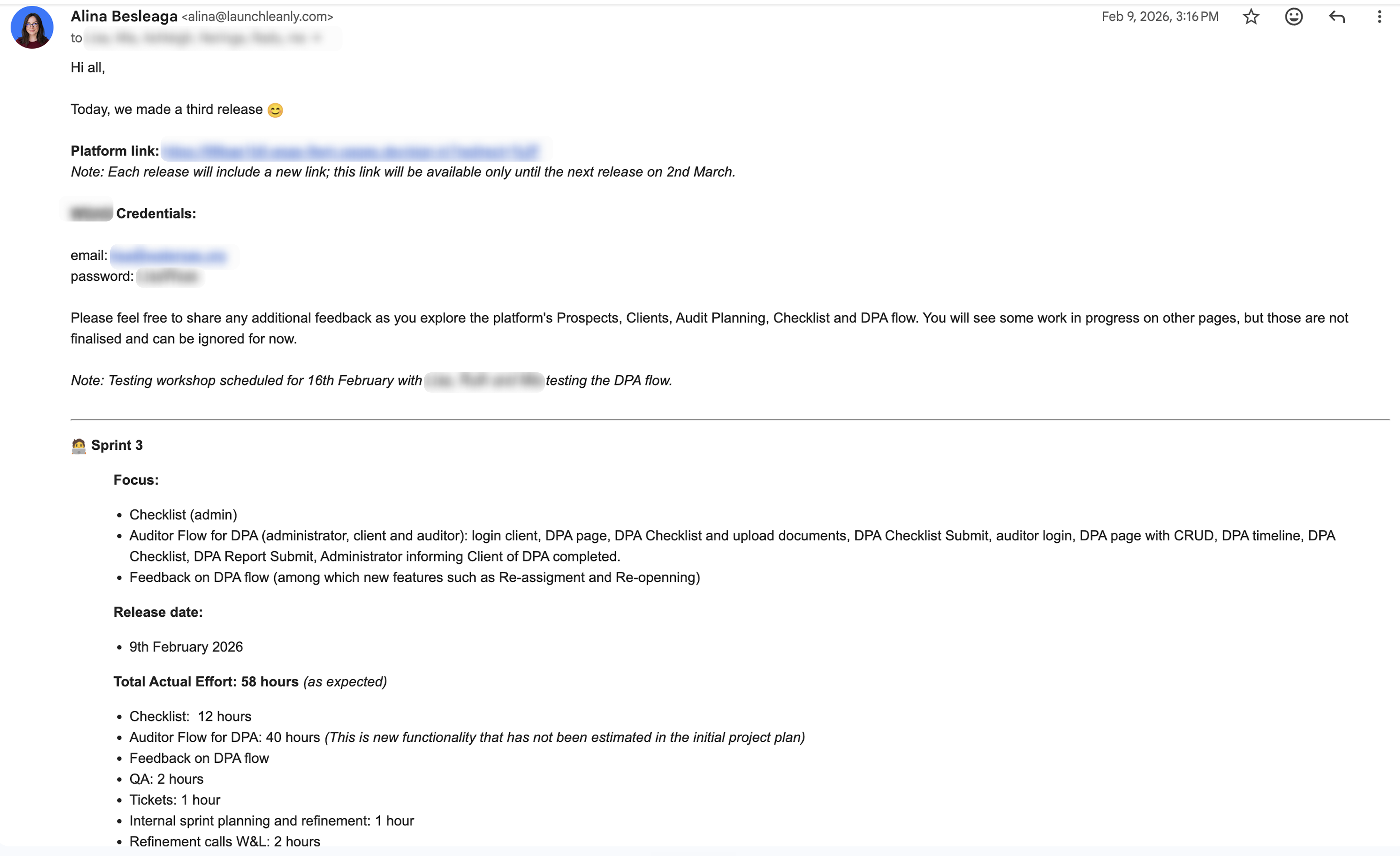
Clear emails after releases: what shipped, what changed, and what the team can now test.
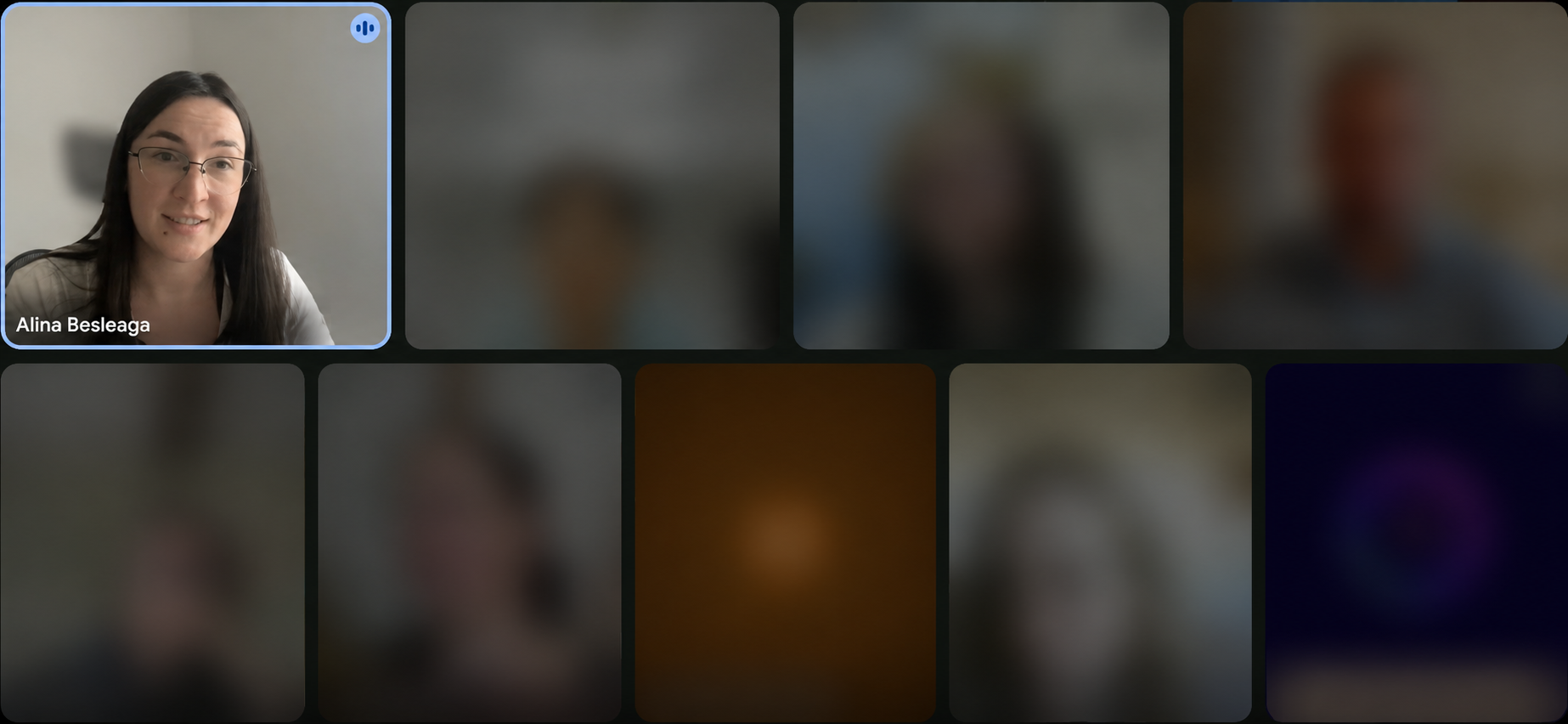
Regular review calls as the team gets hands-on, because requirements naturally change once people start using the product.
Interview key team members, document current workflows, identify pain points, and agree what should change.
Create a working prototype and test it with the team before committing to the production build.
Implement core modules, integrations, permissions, event workflows, and data structures.
Load real data, test with live workflows, train users, and launch in a controlled way.
The first release should be narrow enough to launch, but structured so each milestone replaces a real piece of the current workflow.
Bookings, customer details, payment status, add-ons, dates, and event status in one place.
Unit assignment, readiness, packing checklist, damage reports, and event history.
Shipping method, pickup labels, courier flow, return dates, and local pickup/drop-off handling.
Website intake, gallery links, accounting status, customer follow-up, and team notifications.
World's leading provider of education analytics.
What we built
Helped ideate and build the first iteration of a new standalone platform for students.
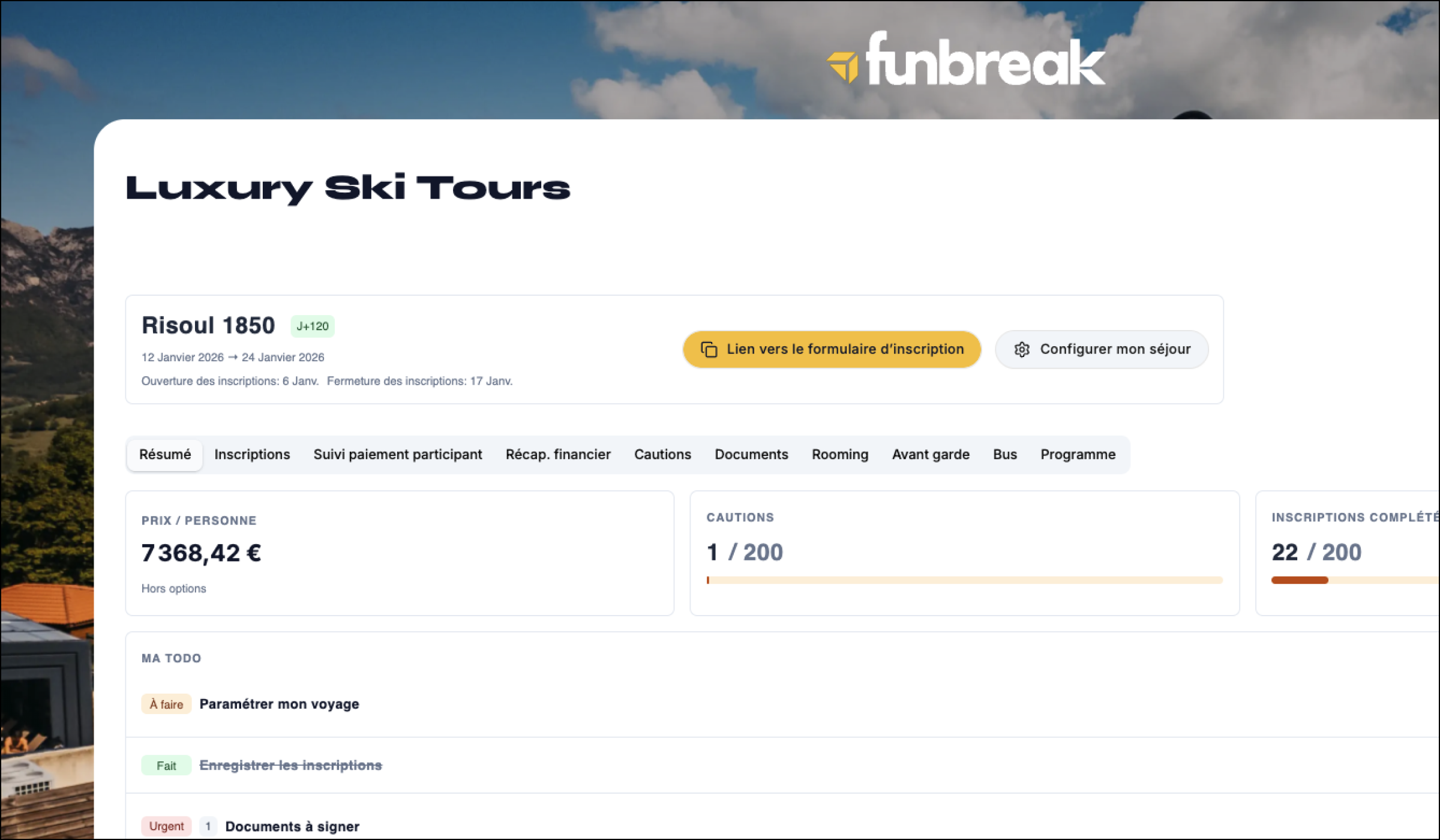
One of France's leading student tour operators.
What we built
A custom booking and operations platform for managing tours, customers, payments, and internal workflows.
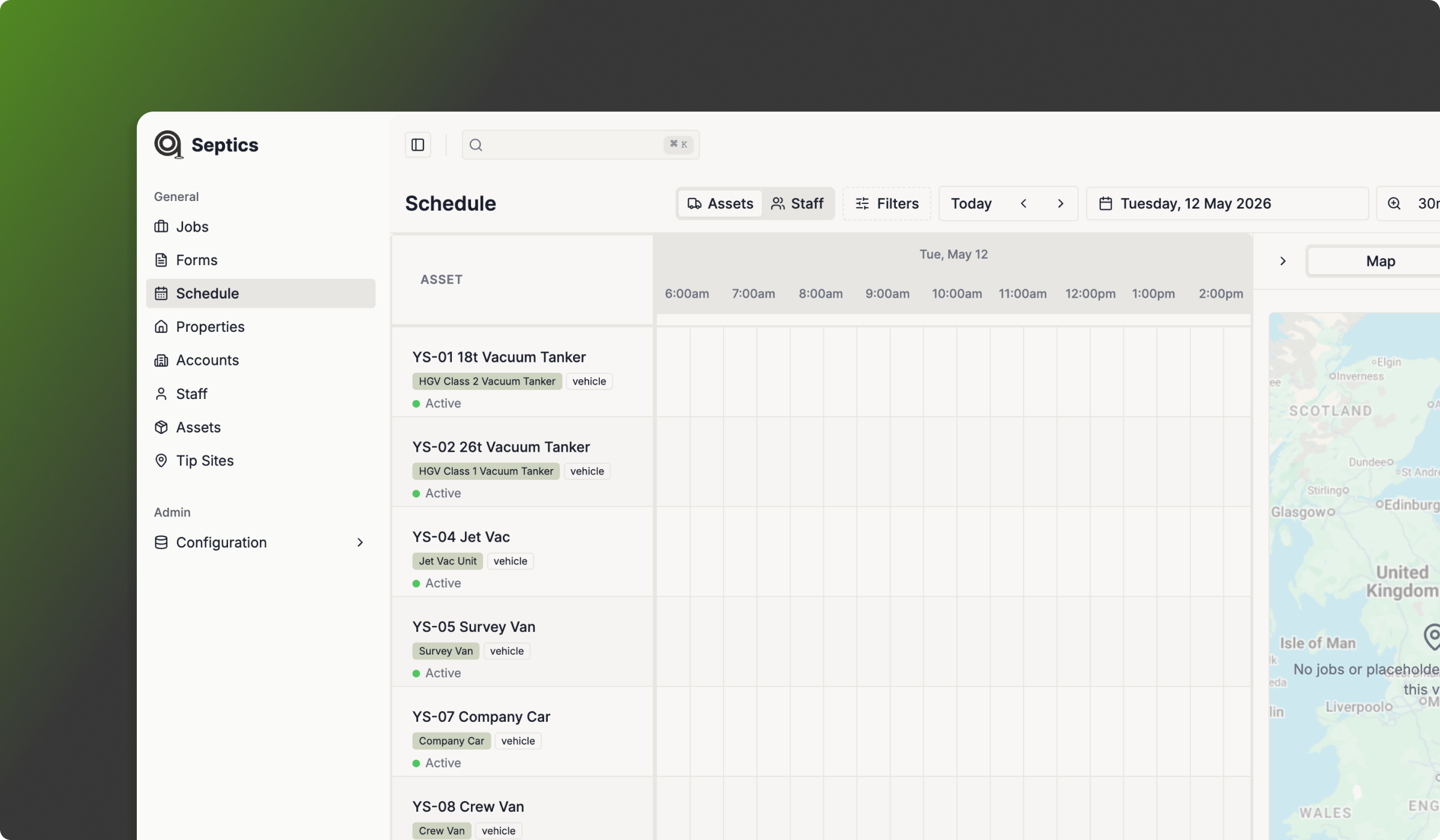
Large septics company managing northern UK.
What we built
A custom operations platform for scheduling, job management, customer records, and team visibility.